TRAVEL STORIES
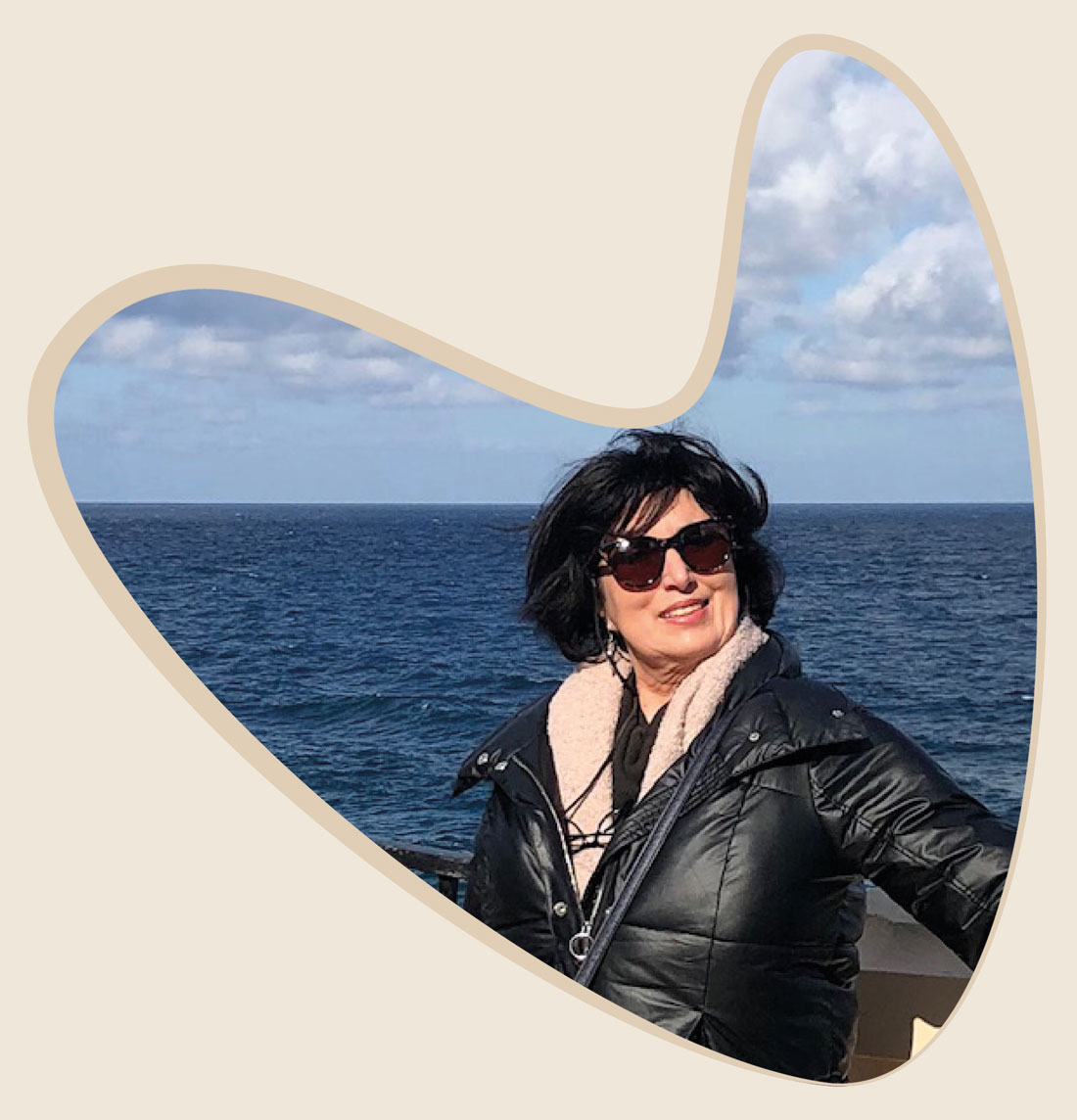
Norma from the UK
Seeing the world her way
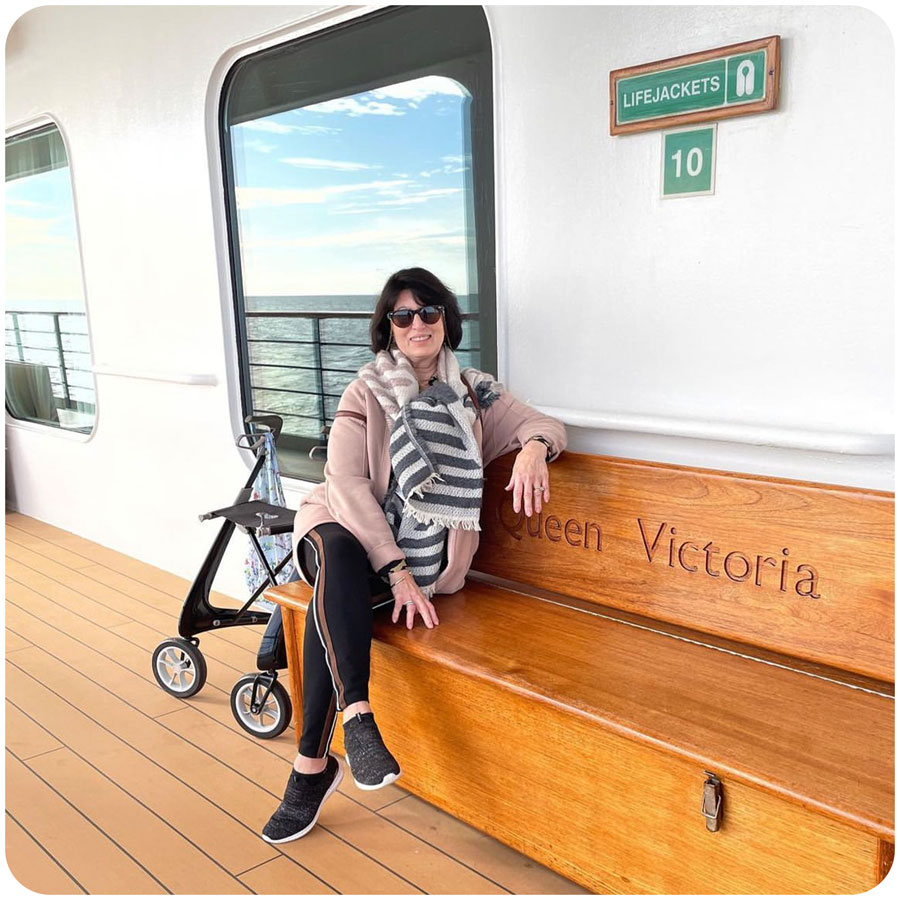
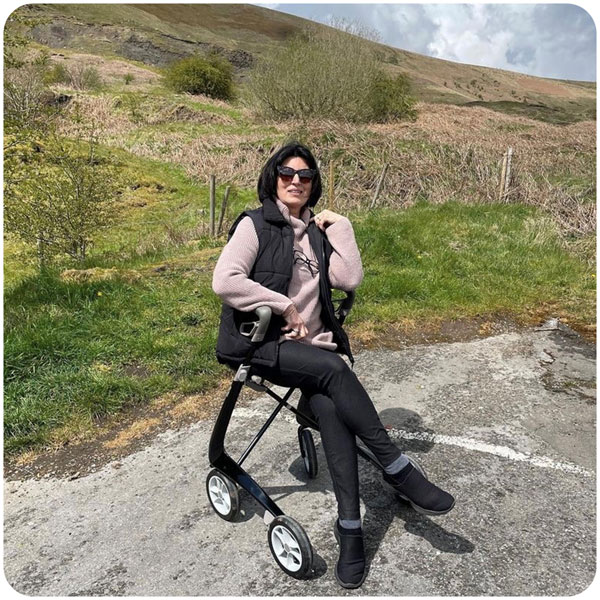
Norma has always loved to travel. For her, traveling is about experiencing the world, collecting memories, and feeling a sense of freedom. Over the years, her perspective on travel has evolved, especially after she began using a rollator. What was once physically limiting has now become more accessible and, in many ways, more enjoyable.
Follow Norma

Across seas and cities, travel with hidden strain
I have lost count of the number of times I’ve been looking at past photographs and uttered “If only I had the rollator then!”
In one picture, I am at Central Wharf in Boston, Massachusetts, USA, leaning against a sculpture trying to make it look like a natural pose – cane hidden behind me, when in fact my back was aching from trailing through the New England Aquarium, leaning on a walking stick for support.
Then in Providence, on a quest for whale watching, I sported a pair of bruised knees fresher than the whales I hoped to see after I tripped. There were other vacations with similar limited mobility; on cruise ships, Cape Cod, New York, South Island NZ, Western Australia, Bali, Sicily, Scotland, etc. The walking stick was not adequate, and some opportunities were lost and maybe never to be regained – but now I am wiser with experience.

Traveling with newfound confidence
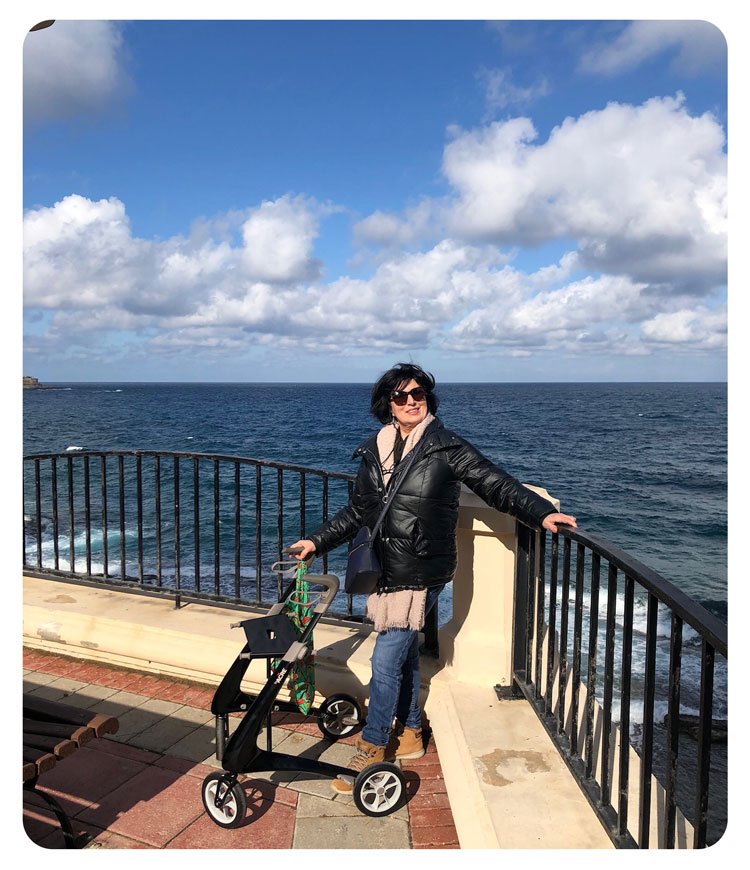
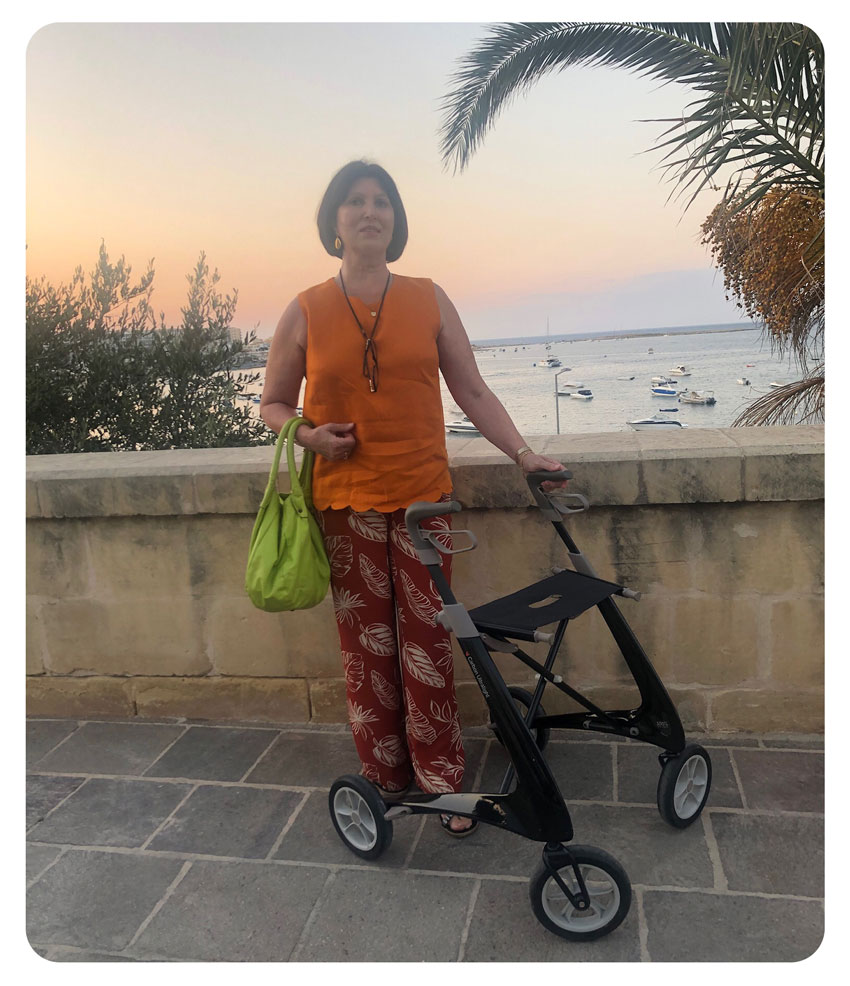
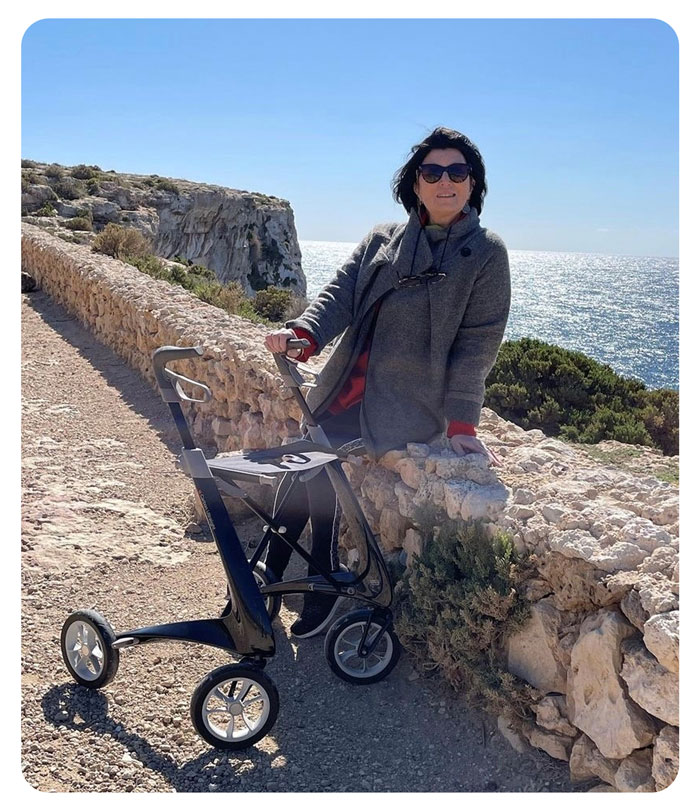
Traveling with my Carbon Ultralight rollator has made me more aware, more prepared, and ultimately more confident. Where I once felt limited, I now feel supported. I no longer have to “push through” discomfort in the same way – I can plan better and enjoy more.
I still have to experience a long-haul flight with my rollator. However, we travel extensively throughout the UK and I also have family in Malta whom I visit throughout the year. Therefore, I hope I can help ease some of your traveling concerns with the following tips.
What I’ve learned along the way
When planning, I think ahead about accessibility. From flights to accommodation, it helps to mention your rollator and understand what facilities and support are available.
When traveling, I stay organized and make sure my rollator is properly tagged and handled. I prefer to keep my rollator until the last minute. Knowing the process reduces stress significantly.
At the destination, I am mindful of terrain, steps, and distances. With the right preparation, you can still explore comfortably.
Travel tips from Norma
When booking your flight include “assistance to aircraft seat” if you are unable to mount the steps and require the ambulift. You can also request a wheelchair; then you can check in the folded and tagged rollator along with your luggage.

Check that your travel insurance includes the full replacement of the rollator, obtained in writing.
Practice the process beforehand at home: collapsing the rollator, i.e. lowering the handlebars, turning the front wheels inwards, placing it correctly in the travel bag and zipping it closed.
At the check-in counter, request a separate baggage tag for your rollator. I affix this tag on the shorter hand grip, not the strap, on the byACRE travel bag (along with the personal name tag). Ensure you get the receipt and place it somewhere safe & accessible. You should also be informed where to meet your assistant to help you with boarding.
If you’re going to travel alone, I strongly advise being “hands free”. I bring my byACRE travel bag folded in the byACRE Weekend bag (that can detach effortlessly from the rollator).
You can keep the rollator right up to boarding the aircraft via airbridge or ambulift. The folded rollator is then handed to an assistant, either at the entrance to the airbridge or to the ambulift assistant. My tip is to have a walking cane at hand, while waiting to board.
Published: 2022
Updated: 2026
Continue your journey
Planning your own adventure? These products can help make traveling easier.
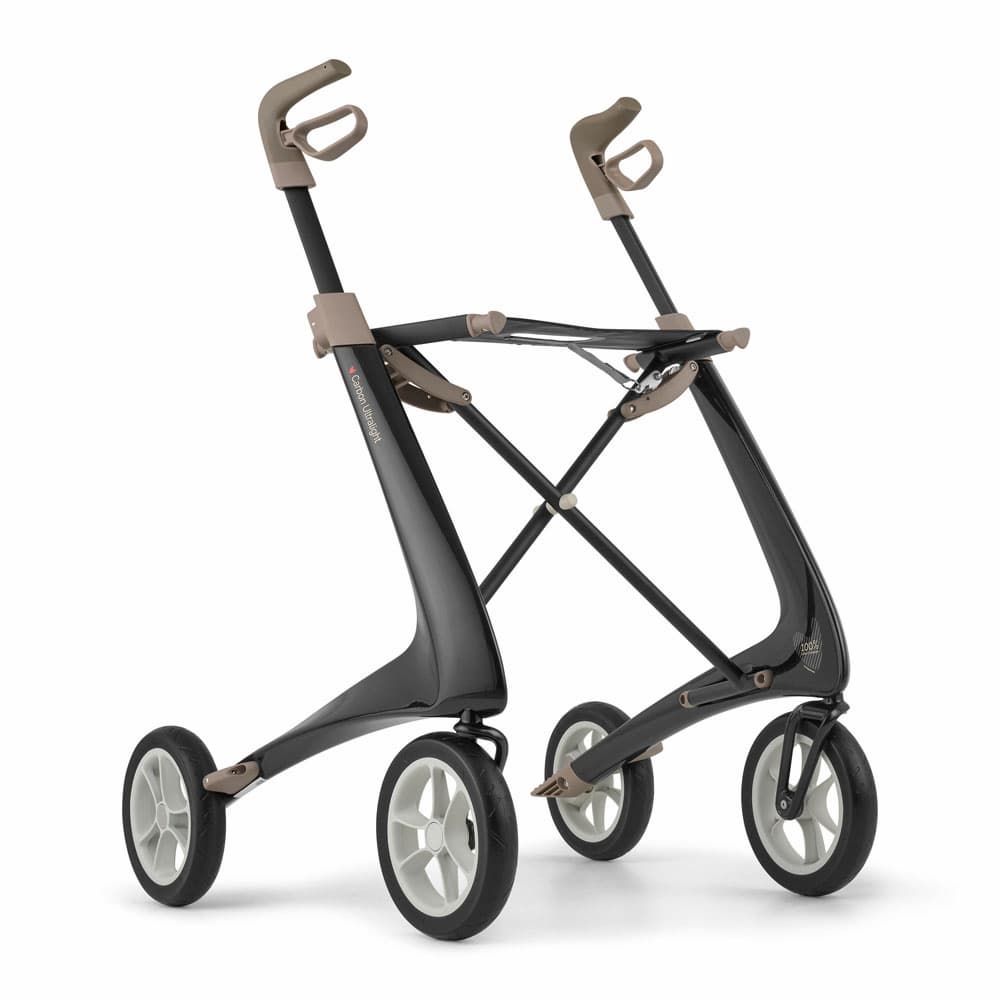
Carbon Ultralight
Lightweight and easy to lift, fold and take wherever you go.
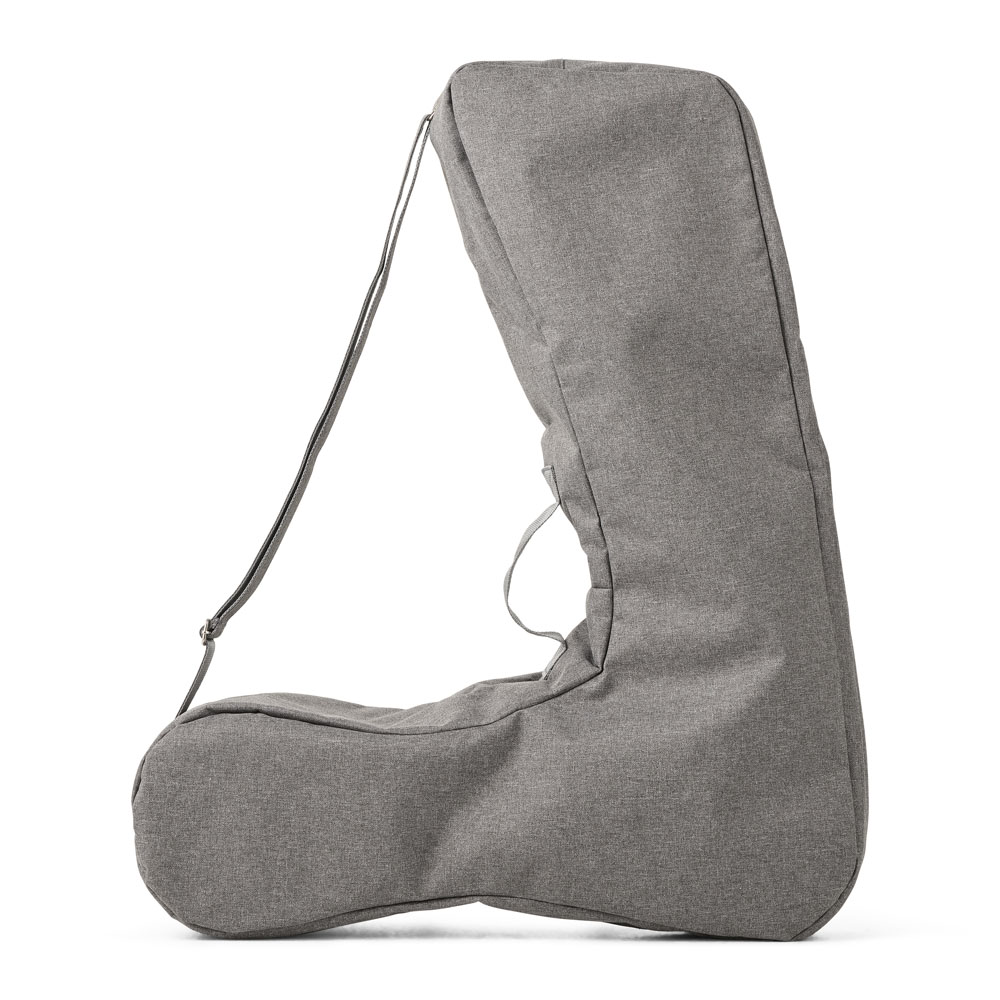
Travel Bag
Protect your rollator while traveling by car, train or plane.
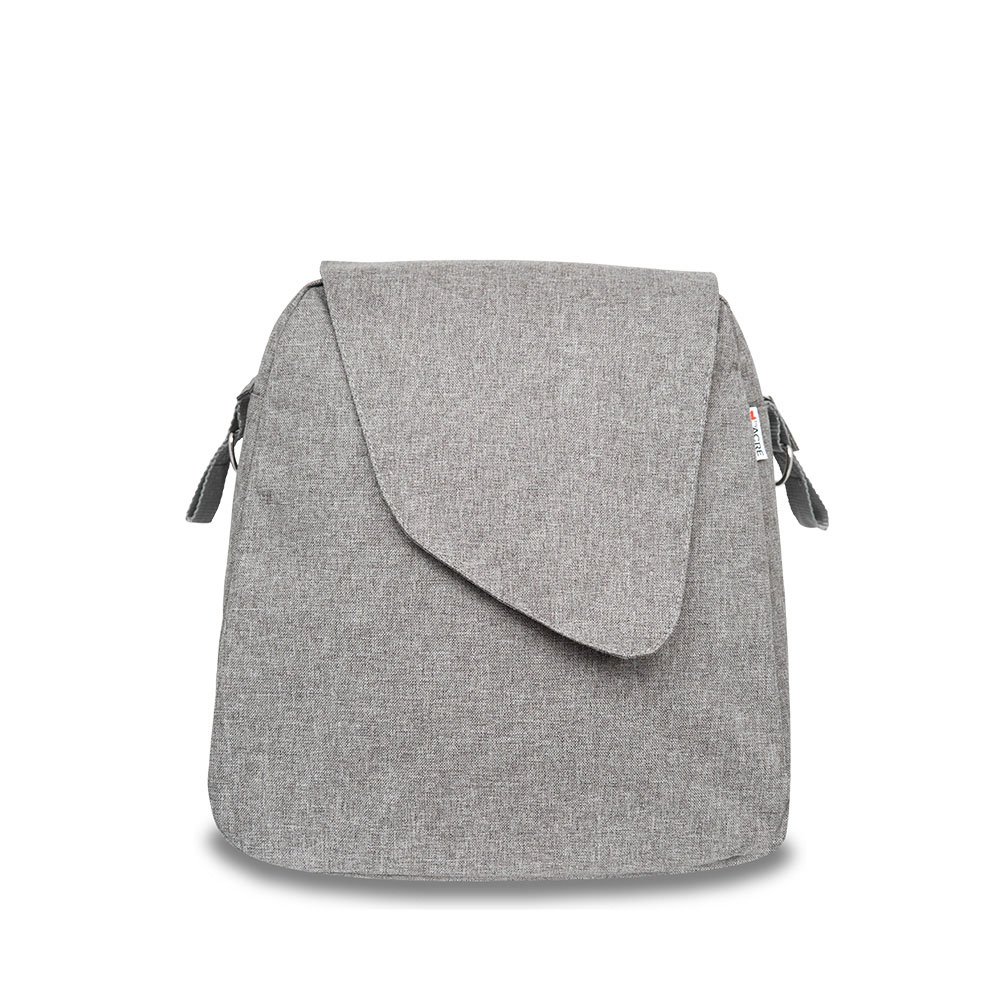
Weekend Bag
Keep your travel essentials within easy reach.